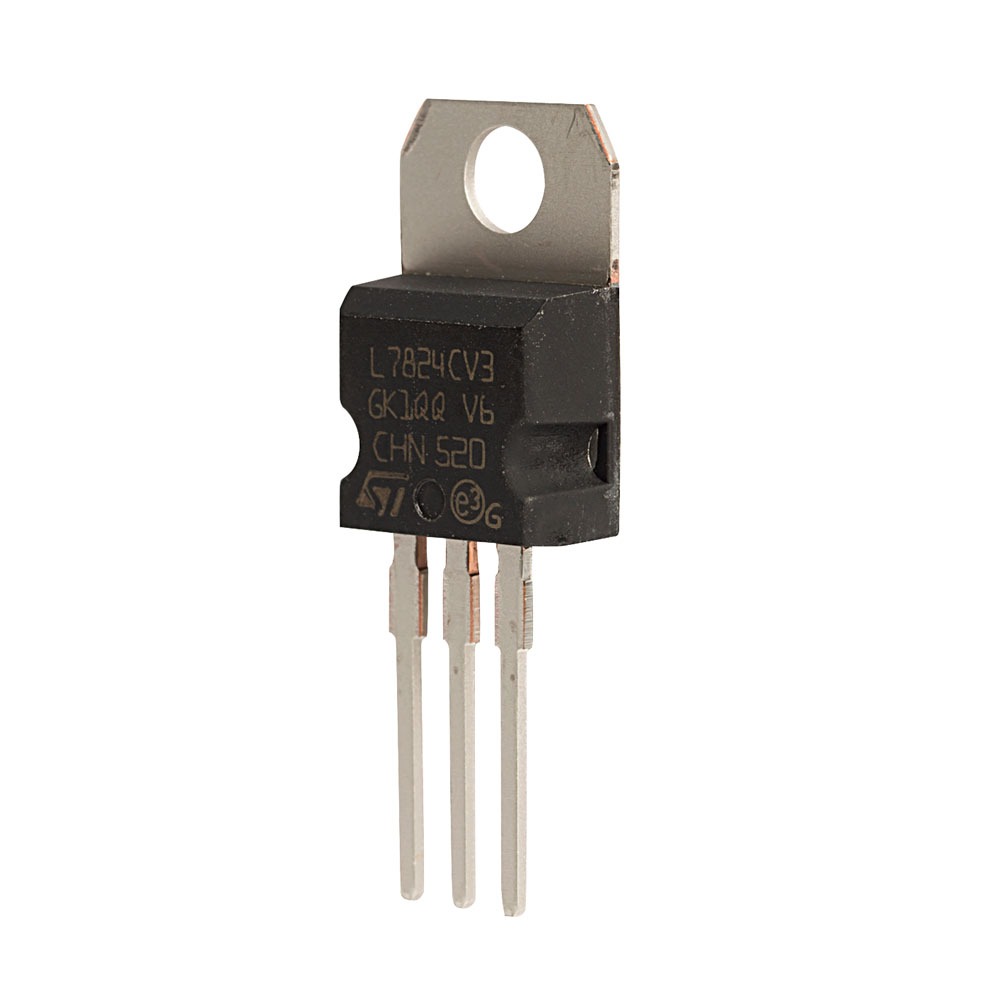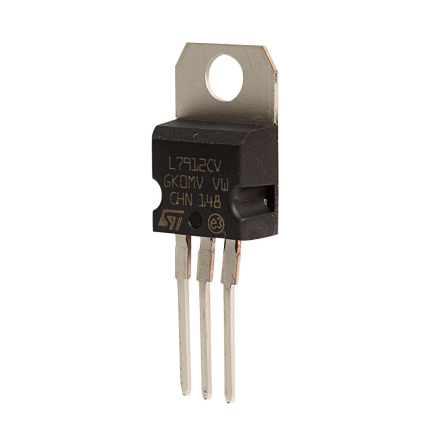

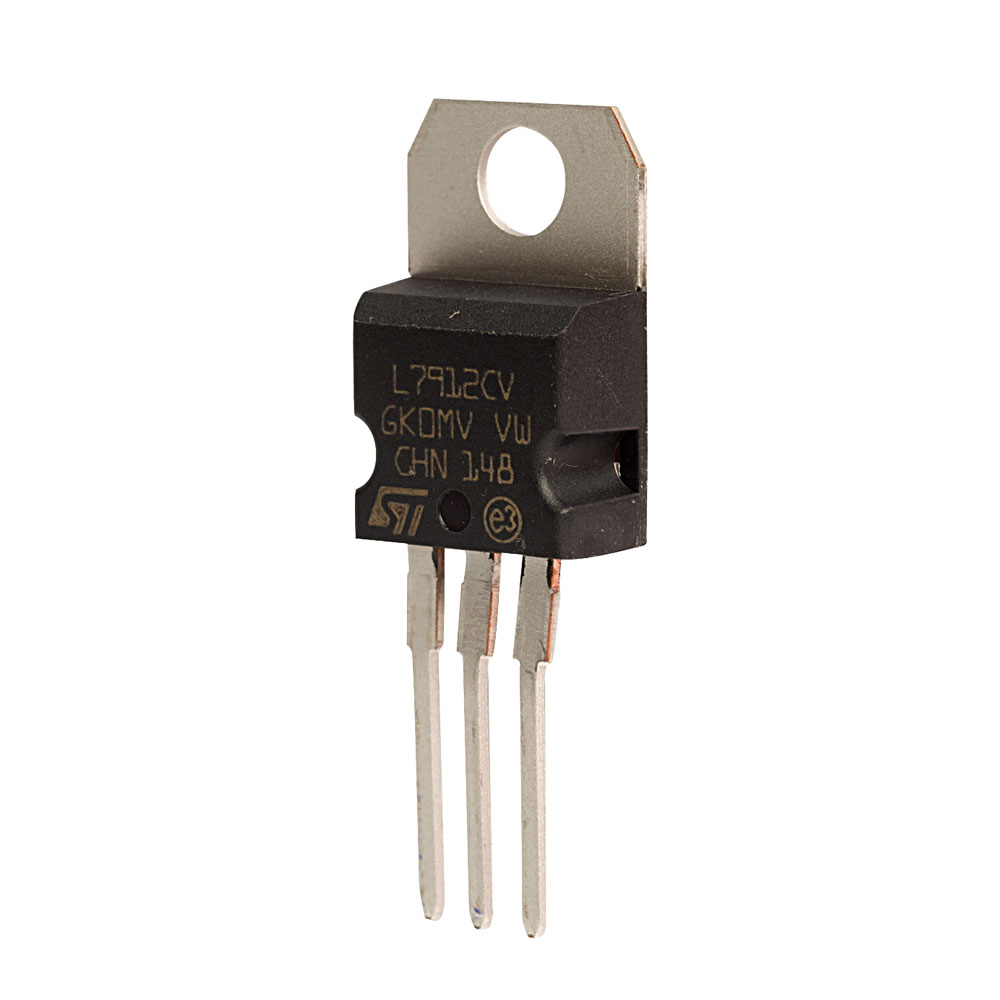
L7912CV Voltage Regulator
-
Regulated -12V negative output
-
Delivers up to 1.5A of current
-
Internal thermal and short-circuit protection
-
Suitable for negative voltage rail generation
-
TO-220 package ensures easy heat dissipation and PCB mounting
10,00 EGP
In stock
In stock
Payment Methods:
Description
Product Description
The L7912CV Voltage Regulator is a linear negative voltage regulator designed to provide a fixed −12 V output with high stability and reliable performance. It belongs to the 79xx family of regulators and is widely used in power supply circuits where a stable negative voltage is required.
This regulator is ideal for applications such as analog circuits, op-amp systems, communication devices, and other electronic projects requiring a regulated negative voltage rail. With built-in overload protection and thermal shutdown, the L7912CV delivers consistent performance even under varying load conditions.
✨ Key Features
-
Fixed −12 V output
-
Easy to use — requires minimal external components
-
Wide input voltage range for versatile application
-
Internal current limiting for protection against overloads
-
Thermal shutdown protection for safe operation
-
Low noise and high regulation accuracy
-
Compatible with standard through-hole PCB mounting
📐 Technical Specifications
-
Model: L7912CV
-
Output Voltage: −12 V (fixed)
-
Output Current: Up to 1 A (typical)
-
Input Voltage Range: Typically −14.5 V to −35 V (must be more negative than output)
-
Regulation Type: Linear
-
Voltage Tolerance: ±4% (typical)
-
Dropout Voltage: ~2 V (typical)
-
Quiescent Current: Low operating current
-
Protection Features:
-
Overcurrent/short-circuit protection
-
Thermal overload shutdown
-
-
Package Type: TO-220 (commonly)
-
Mounting Style: Through-hole PCB mounting
-
Operating Temperature Range: −40 °C to +125 °C (approximate)
🧰 Typical Applications
-
Power supplies requiring −12 V regulation
-
Dual supply analog circuits (±12 V systems)
-
Operational amplifier (op-amp) based designs
-
Communication and instrumentation electronics
-
Audio amplifiers and signal processing circuits
📌 How It Works (Quick Overview)
-
Input Power: Connect an unregulated negative voltage that is at least a couple volts more negative than −12 V.
-
Regulation: The L7912CV stabilizes this input to deliver a steady −12 V output.
-
Protection: Built-in circuitry protects against overloads and excessive temperature.
Specification
General
| WeightWeight | 0,00 g |
|---|---|
| Type | Linear Voltage Regulator (Negative) |
| Model | L7912CV |
| Output Voltage | -12 V DC |
| Input Voltage | -14 V to -35 V DC (recommended) |
| Maximum Output Current | 1.5 A |
| Dropout Voltage | ~2 V (typical) |
| Regulation | Line and Load Regulation ≤ 2% |
| Protection | Thermal Overload, Short Circuit |
| Package Type | TO-220 |
| Operating Temperature | 0°C to +125°C |
| Applications | Negative Voltage Power Supply, Electronics Circuits, Arduino / DIY Projects, Voltage Regulation |
| Dimensions | 10x4x15 (mm) (excluding heatsink tab) |
| Package Contents | 1× L7912CV Voltage Regulator |
Customer Reviews
Related Products