
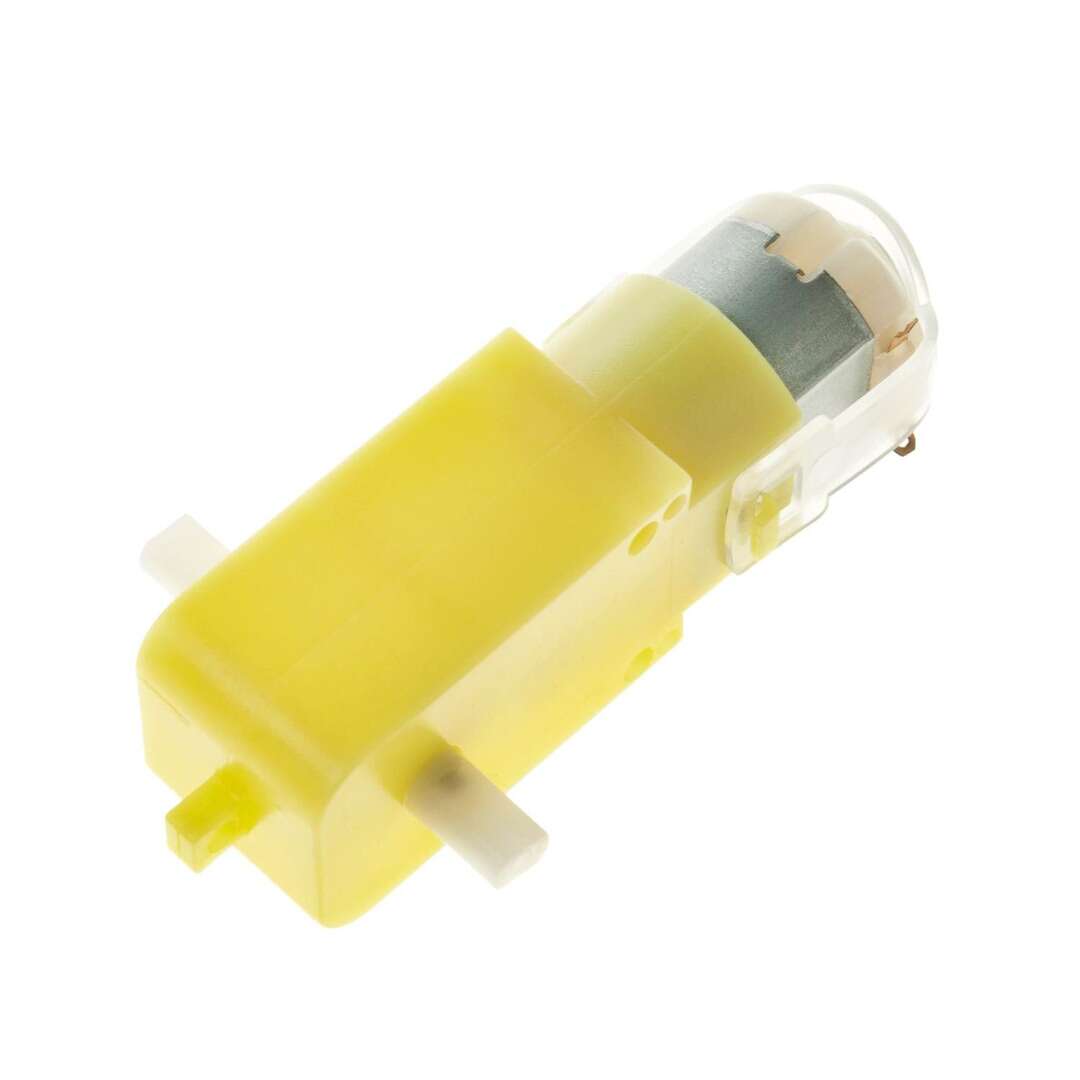
DC Geared Motor Dual Shaft 3:12VDC 450RPM
Product Highlights
- High Speed & Torque: Delivers approximately 450 RPM at 12V with integrated gear reduction.
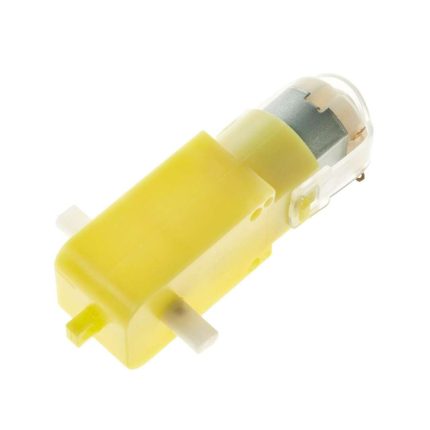
- Dual Shaft Versatility: Double output shafts allow for simultaneous mounting of wheels and encoders.
- Wide Voltage Range: Operates efficiently between 3V and 12V DC for various power setups.
- Robotics Ready: Ideal for mobile platforms, DIY smart cars, and educational projects.
- Easy Integration: Lightweight, compact design compatible with standard motor drivers like L298N.
30,00 EGP
Payment Methods:
Description
Product Description
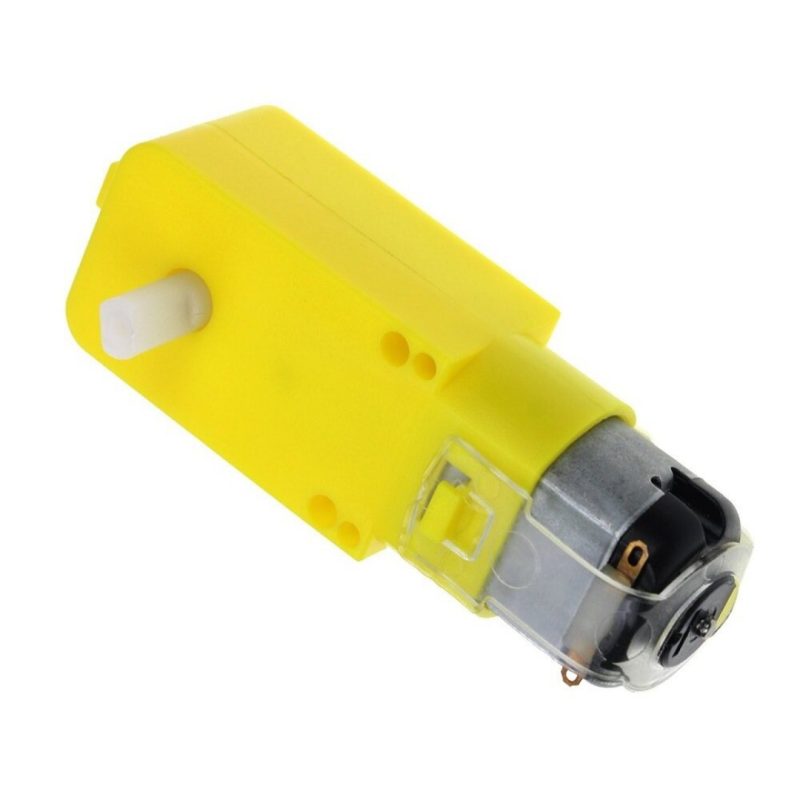
The DC Geared Motor Dual Shaft 3-12 V DC 450 RPM is a compact, high-torque motor designed for robotics, automation, and DIY electronic projects. Featuring a built-in gear reduction system, this motor delivers enhanced torque at an efficient 450 RPM, making it ideal for driving wheels, small machines, and precise motion applications.
The dual-shaft design provides a secondary output shaft, allowing you to attach wheels, pulleys, encoders, or other mechanical elements on both sides for balanced performance and greater flexibility in design. Suitable for battery-powered devices, mobile robots, conveyor systems, and educational projects, this geared motor combines reliable performance with ease of integration.
✨ Key Features
-
Runs on 3 V to 12 V DC power supply
-
450 RPM output speed (approximate at 12 V)
-
Dual output shafts for versatile mounting and accessories
-
Built-in gear reduction for increased torque
-
Compact, lightweight, and durable construction
-
Easy to mount on robotics and prototype frames
-
Commonly used in educational, hobby, and robotics applications
-
Low noise and efficient operation
📐 Technical Specifications
| Parameter | Specification |
|---|---|
| Operating Voltage | 3 VDC to 12 VDC |
| Nominal Voltage | 6–12 VDC |
| Output Speed | ~450 RPM (at 12 V) |
| Gear Ratio | Typically high ratio (exact depends on gearbox model) |
| Output Shaft Type | Dual shaft (both ends available) |
| Shaft Diameter | ~6 mm (common) |
| Motor Type | Brushed DC geared motor |
| No-Load Current | ~100–200 mA (varies with voltage) |
| Stall Current | Higher depending on load/voltage |
| Torque | Increased torque due to gearing (varies by model) |
| Mounting | Standard gearbox mount holes |
| Dimensions | Compact size (varies by version) |
| Weight | Lightweight, project-friendly |
🧰 Typical Applications
-
Educational robotics and mobile platforms
-
Small automated vehicles
-
Conveyor belts and mechanical drives
-
DIY mechanical systems
-
Smart toys and gadgets
-
Prototyping and experimentation
🛠️ How to Use
-
Power the motor with a DC supply within the 3 V – 12 V range.
-
Mount wheels, pulleys, or encoders onto one or both shafts depending on your project needs.
-
Control speed and direction using a motor driver or H-bridge (e.g., L298N, TB6612FNG).
-
Ensure proper current handling — use appropriate power and drive circuitry to match motor requirements.
⚡ Tips
-
Use a motor driver for direction and speed control.
-
Add flyback diodes to protect control electronics from voltage spikes.
-
Avoid running the motor at voltages beyond the rated range for longevity.
Specification
General
| WeightWeight | 0,0000 g |
|---|---|
| Product Type | DC Geared Motor |
| Model | Dual Shaft Motor |
| Voltage Range (V) | 3–12 |
| Speed (RPM) | 450 |
| Shaft Type | Dual Shaft |
| Rotation | Bidirectional (CW/CCW) |
| Length (mm) | Approx. 70 |
| Width (mm) | Approx. 22 |
| Height (mm) | Approx. 18 |
| Weight (g) | Approx. 30 |
| Material | Plastic Body with Metal Gearbox |
| Color | Yellow |
| Torque | Medium Torque |
| Noise Level | Low |
| Application | Robotics, Smart Car, DIY Projects, Automation |
| Mounting Type | Standard Bracket Compatible |